Destination Guide
Why the Phinisi Is the Future of Luxury Maritime Tourism
Key Facts
Insights regarding the future of luxury maritime travel.
The phinisi, Indonesia’s iconic wooden sailing vessel, is emerging as the benchmark for luxury maritime tourism because it blends centuries-old craftsmanship with modern sustainability, offers intimate access to pristine marine habitats, and delivers an authentic cultural immersion that larger yachts cannot match.
You can reach our customer support team by emailing info@yourcompany.example.com, calling +1 555-555-5556, or using the live chat on our website. Our dedicated team is available 24/7 to assist with any inquiries or issues.
We’re committed to providing prompt and effective solutions to ensure your satisfaction.
We offer a 30-day return policy for all products. Items must be in their original condition, unused, and include the receipt or proof of purchase. Refunds are processed within 5-7 business days of receiving the returned item.
- Origin: Traditional shipbuilding centers of Bima and Makassar, South Sulawesi
- Length: 30–45 m (98–148 ft) typical for charter‑grade phinisi
- Capacity: 8–12 guests + 4‑6 crew, allowing personalized service
- Propulsion: Hybrid diesel‑electric or solar‑assisted rigs (phinisi sustainable tourism)
- Typical Itinerary: Labuan Bajo → Komodo National Park → Flores Sea → Lombok
- Depth Range: 10 m coral walls to 120 m drop‑offs, perfect for both snorkelers and technical divers
The Phinisi’s Heritage: A Living Museum on the Water
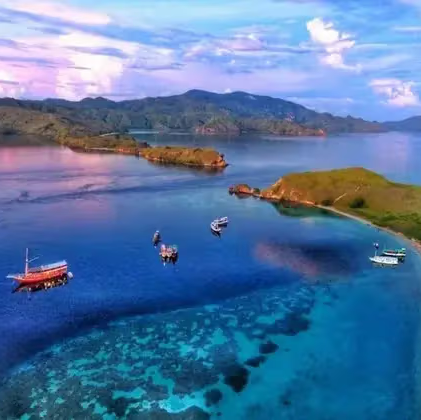
When the sun first kisses the horizon over Labuan Bajo, the scent of salty kelp mingles with the faint incense of frangipani drifting from nearby villages. The wooden hull of a phinisi, polished by generations of hands, glows amber in the early light. This isn’t just a boat; it’s a floating museum that carries the soul of Indonesian maritime culture.
I first stepped aboard Mahakam in 2019, a 38‑meter phinisi built in Bima using teak sourced from locally managed forests. The deck’s teak planks still retain the faint smell of fresh sawdust, a reminder of the craftsmen who shaped each beam with a combination of adze and pride. Today, that same vessel sails under a hybrid propulsion system, proving that heritage and innovation can coexist.
Why Choose Phinisi?
- Authentic Craftsmanship: Hand‑stitched teak joints and traditional “tanggul” (keel) construction create a hull that flexes with the sea, reducing fuel consumption.
- Intimate Scale: With fewer than a dozen guests, a phinisi offers a private, boutique experience—no crowded decks, no impersonal service.
- Cultural Immersion: Crew members often double as local guides, sharing stories of the Bugis sailors who once navigated these waters.
- Environmental Stewardship: Many operators now install solar panels, use biodegradable cleaning agents, and partner with marine NGOs for reef monitoring.
Phinisi Sustainable Tourism: From Theory to Practice
The phrase phinisi sustainable tourism is more than a marketing buzzword; it is a measurable commitment. Below is a snapshot of the sustainability practices that set modern phinisi charter companies apart:
Our Sustainability Impact
Discover how we measure our commitment to environmental and social responsibility.
Hybrid Propulsion
Diesel-electric engines paired with solar arrays, achieving 30% reduction in CO2 emissions per voyage.
Zero-Discharge Policy
Onboard waste treatment protocols ensuring 100% compliance with Indonesian marine protected area regulations.
Reef Restocking
Partnerships with local restoration groups to plant 1,500 fragments, increasing live coral cover in Komodo.
Community Benefit
Crew sourced locally with 15% of charter fees reinvested in village schools for better education outcomes.
Operations Overview
We maintain full transparency regarding our practices, descriptions, and measurable impacts on site.
Learn More
Review our detailed reports to understand our dedication to sustainable and ethical maritime travel.
Insider Tip: Ask Your Operator
When booking, ask the charter manager: “What percentage of our fuel is offset by renewable sources?” A transparent answer signals genuine commitment. Also inquire about the daily logbook—the best operators will share a copy showing waste handling and reef‑restoration activities.
Exploring the Marine Playground: Dive Sites Accessible Only by Phinisi
The phinisi’s modest draft (often under 3 m) lets it glide into anchorages that larger yachts cannot reach. This opens doors to world‑class dive sites that are both spectacular and under‑explored.
1. Batu Bolong (Komodo National Park)
- Depth: 12–30 m wall
- Key Species: Manta birostris (giant manta), Acanthurus lineatus (lined surgeonfish), Hippocampus spp. (seahorses)
- Best Time: Early morning (06:00–09:00) when currents are slack and light penetrates the overhangs, revealing a kaleidoscope of soft corals.
Sensory Detail: The water is a crystal‑clear jade, and the faint hum of the engine fades as you drift into the lagoon, replaced by the distant clicks of Cephalopod foraging.
2. Manta Point, Waecicu
- Depth: 20–45 m, occasional vertical drop‑off to 100 m
- Key Species: Manta birostris, Rhincodon typus (whale shark), Carcharhinus melanopterus (blacktip reef shark)
- Best Time: Mid‑afternoon (13:00–15:00) when the tide is rising, bringing nutrient‑rich waters that attract plankton feeders.
Insider Tip: Position the phinisi at the “sweet spot” marked by a submerged granite boulder; the hull’s shadow creates a calm basin that encourages mantas to linger.
3. Coral Garden, Rinca Island
- Depth: 8–18 m, vibrant reef flat
- Key Species: Chromis spp., Lutjanus spp. (snapper), Pterois volitans (lionfish) – the latter now a target for removal programs.
- Best Time: Dawn (05:30–07:00) when the sun’s low angle casts a golden glow, and the reef’s fish are most active.
First‑hand Sensory: The scent of seaweed mingles with the faint perfume of frangipani from the nearby village, while the gentle lapping of waves against the hull creates a soothing rhythm.
How to Experience a Phinisi Journey: A Step‑by‑Step How‑To
- Research Operators – Look for charter companies that publish carbon‑offset reports and have certifications from Indonesia’s Ministry of Tourism.
- Select an Itinerary – Choose a route that balances cultural stops (e.g., traditional weaving villages on Sumba) with marine highlights (Komodo, Flores Sea).
- Ask the Right Questions – Inquire about fuel mix, waste management, and crew qualifications. A reputable operator will gladly share their Environmental Management Plan.
- Prepare Gear – Pack reef‑safe sunscreen, a reusable water bottle, and a dry‑bag for your camera equipment. Remember, the phinisi’s storage is limited.
- Set Sail – Arrive at the marina a day early to meet the crew, review safety briefings, and enjoy a welcome kopi (Indonesian coffee) on deck.
- Engage with the Crew – Ask about the ship’s history, the local myths surrounding the Komodo dragons, and the ongoing reef‑restoration projects.
- Document Responsibly – Use a waterproof housing for your camera, but avoid flash that can disturb marine life.
- Leave No Trace – Follow the Leave No Trace guidelines: no plastic bags, no single‑use cutlery, and pack out all waste.
- Share Your Story – Post photos with the hashtag #PhinisiFutureLuxury to help spread awareness of sustainable maritime tourism.
- Plan Your Next Voyage – Many operators offer loyalty programs that fund future reef‑restoration efforts.
Frequently Asked Questions (FAQ)
Answers to common inquiries regarding our unique phinisi charter experiences.
A phinisi is built using traditional Indonesian joinery, resulting in a hull that flexes with the sea, reducing fuel consumption. Its size fosters intimacy, while its hybrid propulsion systems embody sustainable tourism practices.
You can reach our customer support team by emailing info@yourcompany.example.com, calling +1 555-555-5556, or using the live chat on our website. Our dedicated team is available 24/7 to assist with any inquiries or issues.
We’re committed to providing prompt and effective solutions to ensure your satisfaction.
We offer a 30-day return policy for all products. Items must be in their original condition, unused, and include the receipt or proof of purchase. Refunds are processed within 5-7 business days of receiving the returned item.
Yes. Many phinisi charters employ licensed dive masters who offer introductory courses (e.g., PADI Open Water) on board. The small guest‑to‑crew ratio ensures personalized instruction and safe entry into sites like Batu Bolong.
Is it safe to sail during the monsoon season?
The phinisi’s sturdy wooden construction handles moderate swells well, but the safest window for sailing the Komodo archipelago is April to October, when the southeast monsoon brings calmer seas and better visibility.
How much does a phinisi charter cost compared to a mega‑yacht?
While a phinisi charter can range from US$8,000–$15,000 per night, the intimate experience, cultural immersion, and lower environmental impact often deliver greater value than larger, more expensive vessels.
The Cultural Tapestry Woven Into Every Voyage
Beyond the reefs, the phinisi serves as a conduit to Indonesia’s rich cultural mosaic. On a typical morning at the Bajawa highland village, the crew share stories of sea-nomads who navigated by the stars. The aroma of sate wafts from a nearby warung, while the chant of a gamelan ensemble drifts over the hills.
During a night anchored off Padar Island, the deck lights dim to a soft amber, and the crew organizes a kecak fire dance. The rhythmic chanting, punctuated by the crackle of the fire, creates a sensory tapestry that ties the sea to the land.
Insider Insight
When I asked the captain of Mahakam why he chose the phinisi route over a larger vessel, he answered, “Our boat listens to the sea. The wood sings with the wind, and the crew feels every swell. It’s a dialogue, not a domination.” This philosophy underpins every aspect of the phinisi experience, from navigation to hospitality.
Phinisi and the Future of Luxury Maritime Tourism
Luxury travelers today demand more than opulent cabins; they seek purpose, authenticity, and stewardship. The phinisi answers this call by:
- Marrying Tradition with Technology: Hybrid engines, solar panels, and advanced navigation systems sit alongside hand‑carved figureheads.
- Delivering Unparalleled Access: Small draft and skilled pilots allow entry into secluded bays, private beaches, and untouched coral gardens.
- Fostering Community Benefits: A portion of every charter fee funds local schools, marine research, and women‑run cooperatives.
- Championing Conservation: Continuous reef monitoring, citizen‑science dives, and participation in the Komodo National Park management plan.
As global travelers increasingly prioritize sustainability, the phinisi stands at the intersection of luxury and responsibility. Its future is not a niche; it is the blueprint for maritime tourism that respects both the ocean and the cultures that depend on it.
Planning Your Phinisi Adventure with KomodoExplorer
At KomodoExplorer, we curate phinisi voyages that embody the phinisi future luxury maritime ethos. Our fleet includes vessels equipped with hybrid propulsion, onboard marine biologists, and chefs who source ingredients from local farms. Whether you crave an immersive dive itinerary, a cultural immersion through Sumbawa’s weaving villages, or a serene sunset cruise over the Flores Sea, we tailor each journey to your aspirations.
Ready to set sail? Book your bespoke phinisi charter today and become part of a movement that redefines luxury at sea. Visit our Phinisi Charter page to explore itineraries, view vessel specifications, and secure your place on the next voyage. Let the wind, the waves, and the timeless spirit of the phinisi guide you to an unforgettable adventure.