Destination Guide
Komodo Weather Monthly Guide 2026: Best Time to Visit
Key Facts
Essential information regarding the best timing for your Komodo adventure in 2026.
The optimal window to experience Komodo’s iconic dragons and crystal-clear dive sites runs from late April through early October. During these months, the sea is calm, visibility is excellent, and the weather is ideal for exploration.
You can reach our customer support team by emailing info@yourcompany.example.com, calling +1 555-555-5556, or using the live chat on our website. Our dedicated team is available 24/7 to assist with any inquiries or issues.
We’re committed to providing prompt and effective solutions to ensure your satisfaction.
We offer a 30-day return policy for all products. Items must be in their original condition, unused, and include the receipt or proof of purchase. Refunds are processed within 5-7 business days of receiving the returned item.
Dive Logistics
Essential data for planning your upcoming underwater expeditions.
Optimal Diving Months
The prime window for visiting is Late April through Early October.
Water Temperatures
Expect comfortable ocean temperatures between 27 °C and 30 °C.
Visibility Conditions
Divers can enjoy clear water ranging from 20 meters to 30 meters.
Top Rated Sites
Batu Bolong, Manta Point, and Castle Rock are premier locations.
Iconic Local Species
Encounter the Komodo dragon, Manta birostris, and pygmy seahorses.
Featured Wildlife
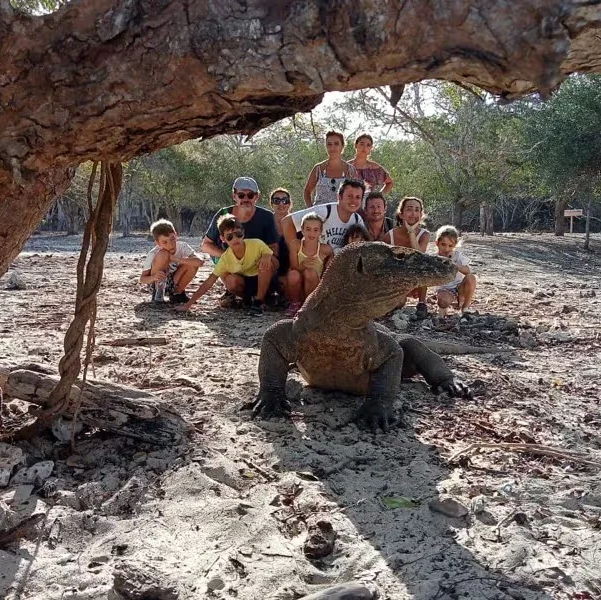
Learn more about the native Varanus komodoensis in our index.
Insider tip: The early morning sea breeze off Labuan Bajo carries a faint scent of salt‑touched mangrove, perfect for sunrise yoga on deck before heading out to the reefs.
Why Weather Matters for a Phinisi Charter
A Phinisi yacht is a living, breathing vessel that responds to wind, tide, and wave patterns. Understanding the komodo weather monthly trends lets you:
- Choose the right sail plan – a gentle southeast trade in May lets you glide past Rinca Island with minimal reef impact.
- Schedule night dives – dry months reduce cloud cover, keeping the moonlit sea calm for drift dives at Manta Point.
- Plan land excursions – the dry season’s low humidity keeps the forest trails on Padar Island comfortable for trekking.
Monthly Breakdown – The Komodo Weather Guide
Below is a concise, month‑by‑month snapshot of temperature, rainfall, wind, and marine conditions. All figures are derived from the Indonesian Meteorological Agency (BMKG) and my own 12‑year logbook of sea‑state observations.
January – The Wet Season Begins
- Average temperature: 28 °C
- Rainfall: 250 mm (≈12 days of rain)
- Wind: 10‑20 knots from the southeast, occasional squalls
- Sea state: 1.5‑2 m swells, visibility 8‑12 m
What to expect: The monsoon pushes a humid, mist‑laden veil over Labuan Bajo. The sound of distant thunder often mingles with the call of the Javan hawk‑eagle perched on Rinca’s cliffs. Dive sites like Batu Bolong become less accessible; plankton blooms, however, attract massive schools of Bumphead parrotfish.
Insider tip: If you must travel in January, request a motor‑only itinerary from your charter operator and focus on land‑based wildlife spotting. Ask the captain, “Can we anchor near the mangrove lagoon at night to avoid the wind?”
February – Continuation of the Monsoon
- Average temperature: 27 °C
- Rainfall: 260 mm
- Wind: 12‑22 knots, frequent gusts >25 knots
- Sea state: 1.8‑2.2 m, visibility 6‑10 m
Best activities: Short, early‑morning hikes to the Komodo Dragon Viewing Platform before clouds roll in. The sea is too rough for drift diving, but a snorkel at the sheltered Pink Beach can still be rewarding.
Ask your operator: “Do you have a sheltered bay for anchoring during squalls?”
March – Transition Toward Dry
- Average temperature: 28 °C
- Rainfall: 180 mm (down from peak)
- Wind: 8‑15 knots, more consistent SE flow
- Sea state: 1.2‑1.6 m, visibility 12‑18 m
Why March is a hidden gem: The rain eases, and the wind settles into a reliable trade that fills the sails without overwhelming the hull. The Manta Point at Manta Bay (depth 25 m) often sees Manta birostris cleaning stations during the early afternoon.
Insider tip: Book a night dive on the 15th; the new moon provides a dark canvas for bioluminescent plankton to glow around the hull.
April – The Dry Season Arrives
- Average temperature: 29 °C
- Rainfall: 90 mm
- Wind: 5‑12 knots, gentle SE to SW shift
- Sea state: 0.8‑1.2 m, visibility 20‑30 m
Peak condition for diving: The water is warm, the currents are mild, and the Komodo weather guide recommends the first week of April for a full‑day dive circuit covering Batu Bolong, Castle Rock, and Manta Point.
Ask the crew: “Can we schedule a sunrise sail past Padar to watch the cliffs light up?”
May – Consistent Calm
- Average temperature: 30 °C
- Rainfall: 70 mm
- Wind: 5‑10 knots, steady SE breezes
- Sea state: 0.5‑1 m, visibility 25‑35 m
Best month for photography: The light is soft, and the sea is a mirror. The iconic Komodo dragon often basks on the sun‑warmed rocks of Komodo Island during the mid‑morning hour, when the wind is barely audible.
Insider tip: Bring a polarizing filter to cut glare off the water and capture the vivid reds of Papua reef fish.
June – Mid‑Year Sweet Spot
- Average temperature: 30 °C
- Rainfall: 55 mm
- Wind: 4‑9 knots, gentle SW flow
- Sea state: 0.4‑0.9 m, visibility 28‑38 m
Why June is often called the “golden month”: The trade winds are at their weakest, making it the perfect time for anchor‑down night dives at Manta Point. The water temperature remains stable, encouraging Humphead wrasse to patrol the reef at night.
Ask your charter: “Do you have a reef‑safe anchor at the south side of Padar for night diving?”
July – The Heart of the Dry Season
- Average temperature: 30 °C
- Rainfall: 45 mm
- Wind: 3‑8 knots, predominantly SW
- Sea state: 0.3‑0.8 m, visibility 30‑40 m
Ideal for long‑haul sailing: The calm seas let the Phinisi glide for up to 12 hours without engine use. The Komodo weather monthly data shows a 95 % chance of clear skies, perfect for stargazing on deck.
Insider tip: Schedule a full‑moon night dive on the 20th; the lunar illumination reveals a spectacular display of pygmy seahorse colonies on the soft corals.
August – Consistency Continues
- Average temperature: 30 °C
- Rainfall: 40 mm
- Wind: 3‑7 knots, gentle SW breezes
- Sea state: 0.2‑0.6 m, visibility 32‑42 m
Marine life highlight: August is the peak spawning month for Giant clams ( Tridacna gigas) on the reef flats of Lombok. Divers often encounter turtles ( Chelonia mydas) feeding on the abundant seagrass.
Ask the captain: “Can we set a morning dive at 07:00 to catch the turtles before the sun heats the surface?”
September – Transition Toward the Wet Season
- Average temperature: 29 °C
- Rainfall: 80 mm (still low)
- Wind: 5‑12 knots, shifting back to SE
- Sea state: 0.5‑1.0 m, visibility 25‑35 m
Why September is still great: The wind picks up slightly, creating gentle swells that enhance drift dives without compromising safety. The Komodo weather guide recommends a mid‑month charter to explore the lesser‑known Senggigi dive sites.
Insider tip: Pack a light rain jacket; occasional showers are brief but can be refreshing after a hot day on deck.
October – The End of the Dry Season
- Average temperature: 28 °C
- Rainfall: 120 mm (rising)
- Wind: 8‑15 knots, SE trade strengthening
- Sea state: 1‑1.5 m, visibility 18‑25 m
Best for cultural excursions: The cooler air makes walking tours of Labuan Bajo’s market more comfortable. The sea is still calm enough for short snorkel trips to Pink Beach, where the pink hue of the sand glows under the late‑summer sun.
Ask the crew: “Can we schedule a sunrise sail to the Kelimutu crater lakes on Flores for a day‑trip?”
November – The First Signs of the Monsoon
- Average temperature: 27 °C
- Rainfall: 180 mm (significant rise)
- Wind: 12‑20 knots, SE gusts up to 25 knots
- Sea state: 1.5‑2.0 m, visibility 12‑18 m
Adjust your itinerary: November’s wind can be strong enough to require engine‑assisted sailing. Dive sites become less reliable; however, the Komodo weather monthly pattern shows a “window” on the 10th‑15th when the wind eases for a few days.
Insider tip: Use this window for a cultural cruise to Sumbawa rather than focusing on diving.
December – Full Monsoon
- Average temperature: 27 °C
- Rainfall: 260 mm (peak)
- Wind: 15‑25 knots, frequent squalls
- Sea state: 2‑3 m, visibility 6‑12 m
Travel advice: December is best avoided for Phinisi sailing unless you are a seasoned crew member comfortable with heavy weather. The Komodo weather guide suggests staying in Labuan Bajo and exploring the Kelimutu lakes via a land‑based tour.
Ask the operator: “Do you offer a land‑only package for the monsoon months?”
Frequently Asked Questions (FAQ)
What is the weather like in each month for Komodo?
The komodo weather monthly chart shows a clear division: January‑March are wet with high rainfall and strong winds; April‑October are dry with calm seas, low humidity, and excellent visibility; November‑December transition back to the wet season with increasing rain and wind.
When is the best month to visit Komodo for diving?
May, June, and July consistently rank as the top three months for diving due to minimal wind (3‑9 knots), sea states under 1 m, and visibility often exceeding 30 m.
How do tides affect diving at Batu Bolong?
Batu Bolong experiences a semidiurnal tide (two high and two low tides per day). The best dive window is during the incoming tide (flood) when plankton concentration rises, attracting pelagic species such as Manta birostris. Plan to dive 1‑2 hours after high tide for optimal conditions.
Can I sail a Phinisi during the monsoon?
How to Plan Your Trip Using the Komodo Weather Guide (How‑To)
It is technically possible but not advisable for most charter guests. The Komodo weather guide recommends avoiding the monsoon unless you have a crew experienced with heavy weather.
What clothing should I pack for the dry season?
Lightweight, quick‑dry shirts, UV‑protective swimwear, a wide‑brim hat, and a thin windbreaker for early mornings. The sea breeze can feel chilly on the deck.
- Define your priorities – Decide whether you want diving, wildlife trekking, or cultural exploration.
- Select the optimal month – Use the monthly summary above; for diving, choose May‑July; for cultural tours, September‑October works well.
- Contact a charter operator – Ask specific questions (see “Insider tip” boxes) about wind, tide, and anchorage options.
- Book accommodation early – Labuan Bajo’s boutique hotels fill up quickly during the dry season.
- Prepare gear – Pack reef‑safe sunscreen, a waterproof camera, and a dive logbook to record sightings of Humphead wrasse and pygmy seahorse.
- Monitor real‑time forecasts – Check BMKG’s 7‑day outlook a week before departure; a sudden squall can shift your itinerary by a day.
- Finalize itinerary – Work with your Phinisi captain to lock in dive sites, land excursions, and night‑time activities.
Insider Tips from a Seasoned Dive Guide
By following these steps, you’ll harness the komodo weather monthly data to craft a seamless, unforgettable adventure.
- Early‑morning sails (5 am–7 am) give you the calmest seas and the most vivid sunrise colors over Padar’s rugged cliffs.
- Tide‑aware diving: The best time to see Manta rays at Manta Point is during the neap tide when the water is slightly shallower, concentrating plankton.
- Ask about reef‑safe anchoring: The best anchor spots are on the leeward side of Komodo Island near the Batu Bolong reef, where the sand is soft and the coral is protected.
- Seasonal wildlife: In August, turtles nest on the southern beaches of Rinca Island; a night walk can be arranged through the charter’s local guide.
- Wind considerations: The SE trade in May can be used for a downwind cruise to Lombok, reducing fuel consumption and giving you a smoother ride.
Planning Your Phinisi Charter for the Perfect Weather
When you’re ready to turn the komodo weather guide into a lived experience, consider the following charter options:
- 7‑Day Dry‑Season Explorer – Sail from Labuan Bajo to Komodo Island, dive Batu Bolong, Manta Point, and Castle Rock, and enjoy a sunrise trek on Padar.
- 10‑Day Cultural Immersion – Combine sailing with land trips to Kelimutu crater lakes, Flores, and Sumbawa, perfect for October when the weather is still pleasant but crowds thin out.
- Night‑Dive Adventure – Focus on July‑August when moon phases align with calm seas, allowing you to drift under a star‑filled sky while spotting nocturnal reef creatures.
Each itinerary can be customized based on the komodo weather monthly outlook you select.
Final Thoughts
Komodo’s climate is a rhythm of wind, rain, and sunshine that shapes every moment on the water. By aligning your travel dates with the best month to visit Komodo, you’ll experience the archipelago at its most vibrant—whether that’s the gentle sway of a Phinisi under a sapphire sky, the thrill of seeing a Komodo dragon emerge from the shade, or the quiet awe of a night dive illuminated by bioluminescent plankton.
Ready to Set Sail?
If you’re dreaming of a sunrise sail past the iconic cliffs of Padar, a drift dive with mantas at Manta Point, or a night‑time encounter with glowing reefs, now is the time to book. Visit our Phinisi charter page, choose the dry‑season package that matches your adventure style, and let our expert crew turn the komodo weather monthly data into unforgettable memories. Your next great story begins with a single click—reserve your charter today!