Destination Guide
Komodo vs Raja Ampat: Ultimate Adventure
Komodo vs Raja Ampat
Compare your ultimate Indonesian adventure.
Choose Komodo for iconic land-based wildlife, dramatic volcanic landscapes, and unique cultural encounters. It is ideal for those seeking a mix of adventure and exploration.
You can reach our customer support team by emailing info@yourcompany.example.com, calling +1 555-555-5556, or using the live chat on our website. Our dedicated team is available 24/7 to assist with any inquiries or issues.
We’re committed to providing prompt and effective solutions to ensure your satisfaction.
We offer a 30-day return policy for all products. Items must be in their original condition, unused, and include the receipt or proof of purchase. Refunds are processed within 5-7 business days of receiving the returned item.
Dive Destinations
Compare our premier Indonesian diving spots and expedition details.
Komodo National Park
Varanus komodoensis, manta rays, and reef sharks await your arrival.
Raja Ampat Archipelago
Wobbegong sharks, pygmy seahorses, and incredible biodiversity.
Typical Charter Duration
Choose between 4-7 days for Komodo or 7-10 days for Raja Ampat.
Average Dive Depth
Experience depths from 12m to 35m in pristine crystal waters.
Estimated Cost
Rates range from US$1,800 to US$3,800 per person per journey.
Best for Adventures
Wildlife safaris and cultural tours or advanced remote diving.
1. Introduction – Why the Comparison Matters
Indonesia’s maritime heritage is a tapestry of islands, each with its own personality. As a Phinisi charter specialist, I’ve spent more than a decade navigating the currents between Labuan Bajo’s rugged cliffs and Raja Ampat’s turquoise lagoons.
The decision between Komodo vs Raja Ampat often hinges on what you want to feel under your skin: the dry, salty wind that carries the scent of volcanic ash, or the warm, sweet perfume of mangrove‑kissed seawater.
Both destinations promise unforgettable moments, but they differ in wildlife, underwater scenery, accessibility, and overall vibe. By the end, you’ll have a clear roadmap to decide whether Komodo or Raja Ampat aligns with your adventure goals.
2.1 Komodo’s Rugged Drama
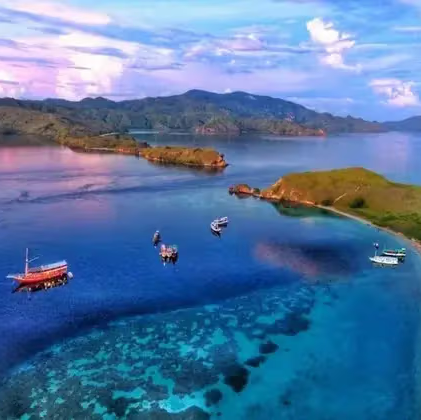
Komodo National Park is a volcanic archipelago where the land feels ancient. The island of Komodo itself rises like a grey monolith, its limestone cliffs etched by wind and sea. Early mornings are punctuated by the caw of swifts and the distant rumble of waves crashing against the pink sand beaches of Pink Beach. The air carries a faint metallic tang from the volcanic soil—a scent that instantly tells you you’re on a place where Earth is still shaping itself.
What to do:
- Trek to the summit of Padar Island (≈ 300 m). The panoramic view of three crescent bays—each a different shade of turquoise—offers a photographer’s dream.
- Visit the traditional villages of the Manggarai people. Their stone houses and woven textiles add cultural depth to the adventure.
Insider tip: Ask your charter captain to anchor near Senggigi Beach at low tide; the tide pools reveal tiny critters that vanish with the rising water, perfect for macro photography.
2.2 Raja Ampat’s Oceanic Paradise
Raja Ampat reads like a watercolor painting. The islands—Baliem, Misool, Kri, and countless smaller atolls—are draped in dense jungle that drops straight into crystal‑clear lagoons. The water is a deep sapphire, its surface occasionally broken by the soft splash of a passing turtle. The scent here is unmistakably marine: a blend of seaweed, warm sand, and the faint sweetness of coral polyps when the tide recedes.
What to do:
- Kayak through the hidden bays of Arborek. The gentle paddling lets you listen to the subtle chorus of reef fish and distant hammerhead sharks.
- Sunset at Piaynemo. The view of the iconic limestone “Tree of Life” silhouette against a flaming sky is a moment you’ll replay in dreams.
Insider tip: When the wind is light (usually early afternoon), the sail‑backed Phinisi can glide silently, allowing you to hear the faint crackle of coral as the boat passes over it—an experience that deepens your connection to the underwater world.
3. Underwater World – Diving & Snorkeling
3.1 Komodo’s Dive Profile
Komodo’s dive sites are famed for strong currents and dramatic topography. The Batu Bolong wall drops from 5 m to 40 m, offering a vertical playground for macro enthusiasts and pelagic hunters alike. At 20 m, you’ll often encounter Manta birostris gliding gracefully, their wing‑like pectoral fins cutting through the water like silk. The reef is home to Giant Trevally (GT), Blacktip Reef Sharks, and the occasional Whale Shark during the dry season.
Depth figures:
- Batu Bolong: 5‑40 m (average 20 m)
- Manta Point: 10‑30 m (peak at 18 m)
Practical tip: Dive early (7 am‑9 am) when the current is strongest; the plankton concentration draws larger predators. Ask the crew for a “tide‑check” before heading out—high tide often means calmer surface conditions, which makes boat handling easier.
3.2 Raja Ampat’s Dive Profile
Raja Ampat is the crown jewel of biodiversity. Sites like Cape Kri boast the highest recorded species count per dive (over 750 species!). The reef is a kaleidoscope of colors: Acropora, Montipora, and Favia colonies interlace with soft corals swaying in the gentle current. Depths range from shallow lagoons (3‑5 m) to the Manta Sandy wall (up to 50 m). Here you’ll meet Wobbegong carpet sharks, Pygmy Seahorses (Hippocampus bargibanti), and the elusive Epaulette shark that “walks” across the reef.
Depth figures:
- Cape Kri: 5‑30 m (max 35 m)
- Manta Sandy: 15‑50 m (average 30 m)
Practical tip: For macro photography, schedule a dive at Sisir Island during low tide; the exposed sand flats reveal tiny critters like Flamingo Crab and Myrmidon Shrimp. Always ask the crew about “night drift dives”—the bioluminescent plankton can turn the water into a living galaxy.
4. Wildlife on Land – Beyond the Dive
4.1 Komodo’s Legendary Reptiles
The Komodo dragon ( Varanus komodoensis) is the star attraction. These 2‑3 m apex predators can be observed in Komodo Island’s Rinca and Padar reserves. A guided trek at sunrise brings you close enough to hear the faint rustle of their massive claws on dry leaf litter. In addition to dragons, you’ll spot Timor deer, Javan rusa, and a variety of bird species like the Yellow‑crested Cockatoo.
Insider tip: Hire a local rangers’ guide who knows the dragons’ feeding schedule. The best sightings occur mid‑morning when the dragons are basking and the temperature is optimal.
4.2 Raja Ampat’s Avian and Marine Giants
Raja Ampat’s land‑based wildlife is dominated by birds. The Bird of Paradise performs its courtship dance in the Misool canopy, while the Green Tree Python drapes itself across branches, its emerald skin shimmering in the light.
Marine mammals such as Dugongs and Irrawaddy dolphins are frequently sighted near the larger atolls, offering a unique glimpse into the rich biodiversity of these pristine Indonesian waters.
Insider tip: Early‑morning bird‑watching hikes on Kri Island offer the chance to hear the Red‑knobbed Hornbill—a sound that reverberates through the jungle like a distant drum.
Travel Planning Guide
Essential information regarding travel logistics for our key Indonesian destinations.
Travel Access Options
Direct flights available from Jakarta to both Labuan Bajo and Sorong hubs.
Domestic Transfer Info
Reliable speedboat connections are essential for reaching the island archipelagos.
Visa Requirements
Visa-on-arrival is available for most international visitors for 30 days.
Accommodation Types
Choose from luxury resorts or authentic Phinisi vessels for your stay.
Digital Connectivity
4G is common in Labuan Bajo, while satellite is best for remote islands.
Regional Differences
Note that Raja Ampat offers fewer land services compared to Komodo.
6. Cost Breakdown – What Your Wallet Will See
Practical tip: When booking a charter, ask the operator “What is your fuel reserve policy?” – longer trips in Raja Ampat require careful fuel planning due to the vast distances between islands.
Travel Pricing
Review your potential boat trip expenses for our popular Indonesian destinations.
Komodo Costs
Experience an incredible trip with pricing starting at US$1,800 to $2,200 per person.
Raja Ampat Costs
Explore the vibrant reefs of Raja Ampat for costs between US$2,200 and $2,800 per person.
National Park Fees
Entry fees vary, from $25 in Komodo to $150 for the Raja Ampat Marine Park.
Guides & Daily Meals
Budget between $30 to $60 for expert guides and $25 to $40 for daily on-board meals.
Optional Activities
Enhance your journey with night dives or tours ranging from $50 to $150 per activity.
Private Charters
Full 7-day charter options on our 12-meter Phinisi are available for a private group experience.
Bottom line: Raja Ampat is roughly 30‑40 % more expensive due to higher park fees and the need for longer charters. However, the unparalleled biodiversity often justifies the premium for serious divers and photographers.
7. Which Destination Suits Your Travel Style?
7.1 Choose Komodo If…
- You crave iconic wildlife such as the Komodo dragon, and you enjoy a mix of land trekking and moderate diving.
- Your trip length is limited (4‑7 days) and you prefer a more developed tourism infrastructure (hotels, restaurants).
- You value cultural immersion—the Manggarai villages and traditional dances add depth to the itinerary.
- Budget is a key factor; Komodo offers a high‑impact experience without breaking the bank.
7.2 Choose Raja Ampat If…
- Your primary focus is world‑class diving with a desire to see the highest marine species count on the planet.
- You have extra time (7‑10 days) and are comfortable with remote travel logistics.
- Photography and marine biology are passions; Raja Ampat’s reefs are a living laboratory.
- You seek solitude; the islands are less crowded, offering pristine, untouched environments.
8. Frequently Asked Questions (FAQ)
8.1 What is the best time of year for diving in Komodo vs Raja Ampat?
- Komodo: Dry season (April‑December) brings calm seas and excellent visibility (20‑30 m).
- Raja Ampat: Dry season (October‑April) offers the clearest water (up to 35 m) and the highest plankton activity, which attracts larger pelagics.
8.2 How do I obtain the necessary permits for each park?
- Komodo: Permits can be arranged through your charter operator or purchased at the park entrance (USD 25 for Komodo NP).
- Raja Ampat: A marine park permit (USD 150) must be secured in advance, often via the charter agency. Bring a passport copy and a recent photo.
8.3 Are night dives possible in both locations?
Yes. Both parks allow night dives, but Komodo requires a special night‑dive permit (USD 5). In Raja Ampat, night dives are popular at Manta Sandy, where bioluminescent plankton creates a glowing underwater landscape.
8.4 Can I combine both destinations in a single charter?
Logistically, it’s challenging due to distance (≈ 1,200 km). A combined itinerary would need at least 14‑15 days and a larger vessel with extended fuel capacity. Most travelers prefer to split the trip into two separate charters.
8.5 What equipment should I bring?
- Dry suit (especially for Komodo’s cooler currents).
- Underwater camera with macro lenses for Raja Ampat’s tiny critters.
- Portable solar charger for longer stays in Raja Ampat where electricity is limited.
9. How to Plan Your Phinisi Charter – A Step‑by‑Step Guide
- Define Your Priorities – List the experiences you cannot miss (e.g., “see a Komodo dragon” or “photograph pygmy seahorses”).
- Set a Budget – Use the cost breakdown above to decide how much you can allocate to charter, permits, and extras.
- Choose the Season – Match your travel dates with the optimal diving window for each destination.
- Select a Charter Operator – Look for operators with ISO‑9001 safety certification and a local guide on board.
- Confirm Permits – Ask the operator to handle park permits; double‑check the validity dates.
- Arrange Gear Rental – If you’re not bringing your own, reserve a dry‑suit, regulator, and underwater camera at least two weeks in advance.
- Plan On‑Board Meals – Communicate dietary restrictions early; many operators offer fresh catch of the day prepared on the deck.
- Finalize the Itinerary – Work with the captain to lock in dive sites, land excursions, and rest days.
- Pack Smart – Include reef‑safe sunscreen, a lightweight rain jacket, and a water‑proof notebook for field notes.
- Confirm Travel Insurance – Ensure it covers scuba diving, medical evacuation, and trip cancellation.
10. Insider Tips from the Helm
- Ask the captain about “windward anchorage.” In Komodo, anchoring on the windward side of Padar reduces boat movement, letting you hear the subtle splash of fish beneath the hull.
- Request a “tide‑aware dive schedule.” Both parks have strong tidal currents; timing your dive with the incoming tide maximizes drift and wildlife sightings.
- Bring a portable hydro‑phone. The underwater soundscape of Raja Ampat—especially the low‑frequency calls of whale sharks—adds an auditory dimension to your dive log.
- Never skip a night walk on Komodo Island. The nocturnal insects create a soft chorus that, when combined with the distant howl of a dragon, is an unforgettable sensory experience.
11. Final Verdict – The Choice Is Yours
Both Komodo and Raja Ampat embody the wild heart of Indonesia, each offering a distinct flavor of adventure. If you seek iconic megafauna, cultural depth, and a compact, budget‑friendly itinerary, Komodo is the clear winner. If your soul yearns for underwater wonderlands, rare species, and the chance to sail through some of the world’s most untouched seas, Raja Ampat will fulfill that dream.
Whichever path you choose, a Phinisi charter with KomodoExplorer ensures you travel in comfort, safety, and style—guided by locals who know every hidden cove and every dragon’s favorite sunbathing rock. The seas are waiting; let us help you chart the perfect course.
12. Ready to Set Sail?
Your adventure begins the moment you click “Book Your Charter”. Whether you’re drawn to the fierce dragons of Komodo or the kaleidoscopic reefs of Raja Ampat, our experienced crew will craft a bespoke itinerary that matches your passions, budget, and schedule. Visit our Charter Packages page, explore the Phinisi Fleet, and let us turn the komodo vs raja ampat dilemma into a memorable journey you’ll recount for a lifetime.
Book now and experience Indonesia’s most spectacular islands the way they were meant to be explored—on the deck of a traditional Phinisi, with the wind in your hair and the horizon stretching endlessly ahead.