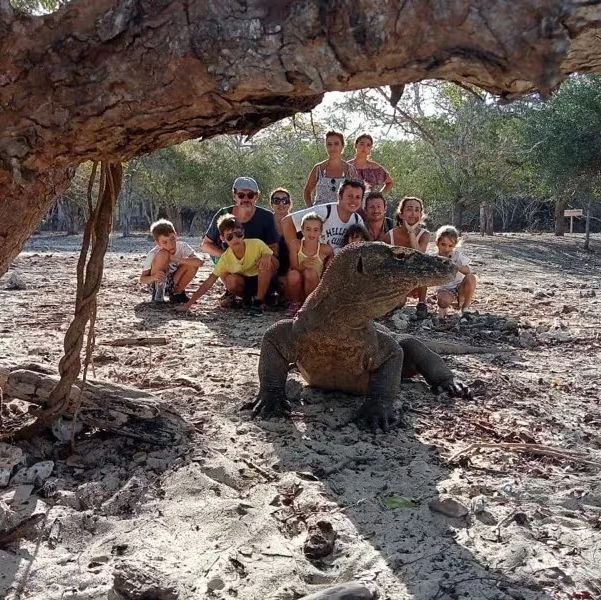
Key Facts about Komodo
Answers to common questions regarding travel to Komodo in the rainy season.
Short answer: Yes, the komodo rainy season (November to March) can be spectacular for wildlife lovers and divers alike. Expect lush green landscapes, fewer crowds, and vibrant marine life, but be ready for occasional squalls.
You can reach our customer support team by emailing info@yourcompany.example.com, calling +1 555-555-5556, or using the live chat on our website. Our dedicated team is available 24/7 to assist with any inquiries or issues.
We’re committed to providing prompt and effective solutions to ensure your satisfaction.
We offer a 30-day return policy for all products. Items must be in their original condition, unused, and include the receipt or proof of purchase. Refunds are processed within 5-7 business days of receiving the returned item.
Travel Details
Essential information to plan your journey effectively and comfortably.
When is the season?
The wet season runs from November to March, bringing tropical weather patterns.
What is the rainfall?
You can expect an average monthly rainfall between 250 and 350 millimeters.
Water and dive status?
Sea temperatures range from 27 to 30 degrees Celsius with good dive visibility.
What wildlife to spot?
Look for Komodo dragons, male birds, and majestic manta rays in the area.
Where is the best base?
Labuan Bajo serves as the primary flight hub for all your travel needs.
Any travel suggestions?
Pack quick-dry clothing and waterproof bags to stay prepared for the climate.
What makes the komodo rainy season different from the dry months?
The monsoon that sweeps across the Lesser Sunda Islands arrives in late October, bringing steady afternoon showers that can last from a few minutes to several hours.
On the water, the sea becomes a mirror of the sky, and the wind shifts to a gentle southeast breeze that cools the surface and attracts larger marine predators.
How does the komodo wet season travel affect wildlife sightings?
Land wildlife thrives in the rain
When the rain falls, the dry savanna of Komodo National Park transforms into a patchwork of vibrant greens. Komodo dragons ( Varanus komodoensis) become more active in the cooler evenings, often seen lounging on shady rock outcrops near Rinca Island. The male dragons, in particular, engage in territorial displays during the early rainy months, a behavior that is rarer in the dry season.
Birdwatchers will delight in the chorus of Javan munias, white‑breasted waterhens, and the striking red‑winged starling that flit among the newly sprouted bamboo. The rainy season also triggers breeding in many reef fish, resulting in spectacular spawning events at Manta Point around the full moon in December.
Marine life flourishes
The monsoon brings nutrient‑rich currents that boost visibility for macro‑divers. At depths of 10‑15 m around Karang Makassar, you can spot frogfish, flamboyant cuttlefish, and the elusive pygmy seahorse clinging to soft corals. The Komodo wet season travel also means larger pelagics such as blue‑fin tuna and sailfish roam the outer reef, especially during the early morning tide when the water is calm.
When is the best time of day to explore during the komodo rainy season?
Daily Itinerary
Plan your adventure with these recommended activities and timings.
Sunrise & Early Hikes
At 05:00-07:00, light is soft and tides are low, making for perfect conditions.
Mid-morning Snorkeling
Between 10:00-12:00, enjoy calm seas and warm water with refreshing showers.
Afternoon Wildlife
From 14:00-16:00, birds and land animals seek shade as the daily rain pauses.
Sunset Cruises
Catch the 18:00-20:00 sunset as clouds create dramatic silhouettes against cliffs.
Plan Ahead
Consult our daily guide to ensure you catch the best weather for each activity.
Experience Nature
These timings are suggestions to help you make the most of your travel experience.
Insider tip: Ask your charter captain whether the crew monitors the local tide tables for Labuan Bajo; a high tide at 09:30 am can open hidden passages at Manta Point that are otherwise inaccessible.
What gear should I bring for the komodo rainy season?
- Quick‑dry clothing (synthetic shirts, breathable pants) – wet rain can linger on cotton.
- Waterproof dry bags for electronics, dive computers, and camera gear.
- Neoprene booties (size 38‑42) for slippery reef walks.
- High‑gain binoculars with anti‑fog coating for spotting dragons from the deck.
- UV‑protected reef‑safe sunscreen – the sun can break through clouds in bright bursts.
- Reusable water bottle with a built‑in filter – rainwater is safe after a brief boil.
Pro tip: When chartering a Phinisi, ask the crew to provide a rain‑cover for the helm; the captain often enjoys a cup of hot tea while navigating through brief squalls.
How to plan a komodo november to march itinerary
Below is a sample six‑day itinerary that balances land, sea, and cultural experiences while respecting the rhythm of the rain.
-
Day 1 – Arrival in Labuan Bajo
- Fly into Komodo Airport; transfer to your Phinisi charter.
- Evening briefing with the captain on weather patterns and safety protocols.
-
Day 2 – Rinca Island & Padar Hike
- Early morning dive at Manta Point (depth 30 m).
- Mid‑day trek to the Padar viewpoint; rain often clears just before sunset, offering a rainbow over the iconic cliffs.
-
Day 3 – Komodo Island & Komodo Dragon Safari
- Morning snorkel at Batu Bolong (depth 20 m).
- Afternoon guided trek with a park ranger to see dragons in the shade of Puncak.
-
Day 4 –
Pink Beach & Night Dive
- Relax on Pink Beach; the rain‑washed sand glistens pink under the sun.
- Night dive at Karang Makassar to encounter octopus and flamingo tongue snail illuminated by your torch.
-
Day 5 – Gili Kalimutu & Cultural Visit
- Sail to Gili Kalimutu for a sunrise over the volcanic crater lake.
- Visit a local Mola village for a cooking class featuring fresh tuna caught that morning.
-
Day 6 – Return to Labuan Bajo
- Final sunrise dive at Manta Point (if tides allow).
- Disembark and transfer to the airport for your onward flight.
Flexibility is key: The monsoon can shift a day’s plan; keep a buffer for weather‑related changes.
FAQ – komodo rainy season
What weather can I expect during the komodo rainy season?
The period from November to March brings daily afternoon showers, occasional thunderstorms, and a humidity that hovers around 80 %. Daytime temperatures stay warm (28‑31 °C), while night temperatures dip to 24‑26 °C. The sea remains warm and generally calm, though occasional squalls can raise wave heights to 1.5‑2 m. The rain often arrives in short, intense bursts, leaving clear skies in the early mornings—ideal for photography and diving.
Is diving still good in the komodo wet season travel?
Absolutely. While visibility can fluctuate between 8 and 20 m, the nutrient influx fuels a spectacular plankton bloom that attracts larger pelagics. Early‑morning dives before the rain hits are typically the clearest. Sites like Manta Point, Batu Bolong, and Karang Makassar remain accessible, and the presence of manta rays and reef sharks is higher during the wet months.
How does the komodo november to march period affect wildlife behavior?
Rainfall triggers breeding cycles for many reef fish, leading to vibrant spawning events. On land, Komodo dragons become more active during cooler evenings, and male dragons display territorial behavior more often in the early rainy months. Bird species such as the white‑breasted waterhen and red‑winged starling are more vocal, making it an excellent time for birdwatching.
Do I need special equipment for the komodo rainy season?
Beyond the standard dive gear, a waterproof dry bag for electronics, quick‑dry clothing, and a sturdy rain‑cover for the deck are essential. A reliable dry‑suit is not required unless you plan to dive in deeper, colder waters; however, a rash guard with UV protection helps when the sun breaks through clouds.
How can I minimize the impact of rain on my sailing experience?
Choose a Phinisi charter with an experienced crew that knows the local micro‑climates. Ask the captain about the “rain shadow” routes around Komodo Island, where the lee side of the island often remains dry while the windward side receives showers. Also, schedule longer sailing legs during the night when rain is less likely to disrupt navigation.
Are there any cultural events during the wet season?
Yes. In December, the island of Rinca hosts a small “Dragon Festival” where local communities celebrate the Komodo dragon with traditional dances and storytelling. The festival coincides with the full moon, providing excellent night‑time photography opportunities.
How to book a Phinisi charter for the komodo rainy season
Research reputable charter operators – Look for companies with a proven safety record and crew experienced in monsoon navigation. Contact the charter – Ask specific questions: “How do you handle sudden squalls?” and “What rain‑cover equipment do you provide?”
Select your itinerary – Work with the captain to tailor a route that maximizes wildlife sightings while allowing flexibility for weather changes. Confirm dates and deposits – Book early (at least 3 months ahead) to secure a vessel for the high‑demand komodo rainy season.
Prepare gear and paperwork – Ensure visas, travel insurance, and dive certifications are up to date. Pro tip: Request a pre‑trip briefing video from the charter; many operators now share a short orientation that includes tide tables, safety drills, and packing suggestions.
- Morning tide is your friend: The low tide at 06:45 am on most days uncovers hidden coral ledges at Manta Point, perfect for macro photography.
- Ask for a local ranger: A park ranger on Rinca Island can point out dragon tracks that are invisible to the untrained eye.
- Watch the clouds: Dark cumulonimbus clouds over Padar often clear dramatically at sunset, creating a fiery halo around the cliffs.
- Stay flexible: If a day’s dive is postponed due to rain, shift the itinerary to a land trek or cultural visit; the wet season offers enough variety to keep you engaged.
- Taste the rain: Freshly washed seaweed on Pink Beach adds a briny flavor to the local fish dishes—don’t miss the grilled tuna with a drizzle of lime.
Conclusion – Is the komodo rainy season worth it?
The answer is a resounding yes. While the rain adds a layer of unpredictability, it also gifts the archipelago with lush scenery, heightened wildlife activity, and fewer tourists.
With a knowledgeable crew, flexible planning, and the right gear, November to March can become the most rewarding time to experience Komodo’s raw beauty.
Ready to set sail? Book your charter now and let our team craft your personalized adventure for the wet season to ensure the journey of a lifetime.