Destination Guide
Komodo National Park Regulations 2026
Key Facts
Essential information regarding the 2026 Komodo National Park visitor regulations.
The 2026 Komodo regulations tighten visitor caps, enforce stricter waste-management protocols, and require all charter operators to hold updated permits. Day-trippers must register at the park gate, wear mandatory protective gear in dragon habitats, and follow newly defined dive-site boundaries.
You can reach our customer support team by emailing info@yourcompany.example.com, calling +1 555-555-5556, or using the live chat on our website. Our dedicated team is available 24/7 to assist with any inquiries or issues.
We’re committed to providing prompt and effective solutions to ensure your satisfaction.
We offer a 30-day return policy for all products. Items must be in their original condition, unused, and include the receipt or proof of purchase. Refunds are processed within 5-7 business days of receiving the returned item.
Park Guidelines
Important information for all visitors to the park starting 2026.
Effective date
New regulations and park requirements will officially take effect on 1 January 2026.
Visitor cap
Limited to 2,200 person-days per month, reduced from the previous 2,500 limit.
Mandatory gear
Visitors must carry closed-toe shoes, reef-safe sunscreen, and approved snorkel masks.
Permit fee
Cost is IDR 150,000 per adult and IDR 75,000 per child, requiring online pre-booking.
Waste policy
Strict zero-plastic policy enforced; all single-use plastics must remain sealed on board.
Strict enforcement
Rangers monitor with GPS radios; rule violations can lead to fines up to IDR 5 million.
Why the New Rules Matter
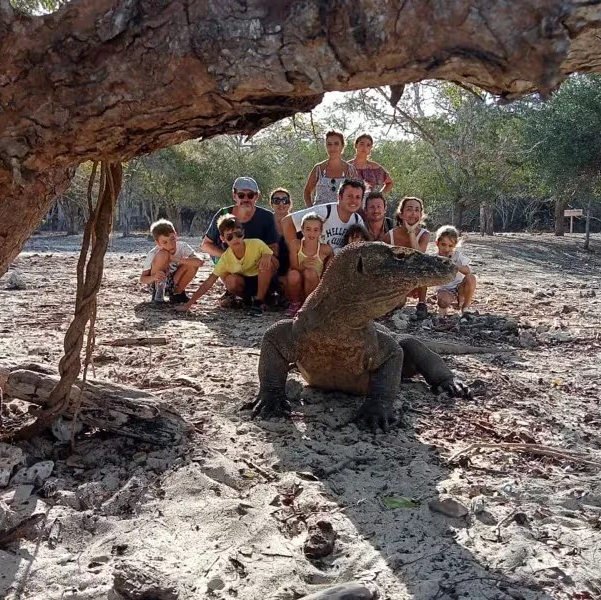
Komodo National Park is a UNESCO World Heritage Site, home to the iconic Komodo dragon, pristine coral reefs, and a delicate mangrove ecosystem.
In recent years, visitor numbers surged, putting pressure on fragile habitats. The 2026 regulations are a response to scientific monitoring.
By tightening caps and clarifying behavior expectations, the park aims to preserve its natural wonders for the next generation of adventurers.
Komodo National Park: Essential Visiting Guidelines
Entry registration requires a digital QR code at the gate. All visitors must be accompanied by a licensed guide in designated dragon zones while wearing proper closed-toe gear.
Protect the marine life: carry out all waste and use reef-safe anchors. Rules strictly prohibit feeding animals to ensure the park's natural preservation.
- Zone A – Core reef (0‑15 m) – Reserved for scientific research; only permits issued by the Ministry of Marine Affairs.
- Zone B – Recreational corridor (15‑30 m) – Open to all licensed dive operators; maximum of 12 divers per boat.
- Zone C – Technical fringe (30‑40 m) – Accessible only to operators with a technical‑diving certification and a separate permit.
Operators must submit a daily log of depth, time, and species observed to park rangers via the KomodoWatch app. Failure to comply can result in suspension of the operator’s license.
Are there any new visitor regulations komodo for land activities?
Yes. The dragon‑watching trails now have a time‑window system to disperse crowds:
- Morning slot (07:00‑10:00) – Best for cooler temperatures and lower humidity; the scent of sea‑salt mingles with the earthy aroma of dry savanna.
- Afternoon slot (13:00‑16:00) – Only for groups with children under 12; rangers provide additional safety briefings.
All visitors must stay on marked paths, avoid loud noises that can stress the dragons, and carry a portable water filter – the park’s water sources are non‑potable.
How can I ensure I’m compliant before I set sail?
- Pre‑book your permit on the official portal ( Komodo Park Permits).
- Download the compliance checklist from the park’s website and review it with your charter captain.
- Ask your operator: “Do you have the latest 2026 permit and waste‑management plan?”
- Verify ranger presence – look for the bright orange‑striped uniforms; they patrol both land and sea routes.
How to Navigate the New Permit System – A Step‑by‑Step Guide
Create an account on the Ministry of Tourism portal and select your travel dates. The system will show availability instantly; if you are over the monthly cap, consider a flexible itinerary.
Enter your group details, upload required documents like passports and reef‑safe sunscreen proof, and pay the fee via the gateway to receive your QR code entry pass.
Print or store the QR code on a waterproof case; rangers will scan it at the gate and again before each dive.
- Early‑morning dragon patrols – The air is crisp, and the faint rustle of dry grass is punctuated by the distant call of a white‑bellied sea eagle. This is the safest time to photograph dragons without startling them.
- Tide timing for snorkel sites – At Pink Beach, the best visibility occurs on a neap tide between 09:00‑11:00, when the water is calm and the sun filters through a thin haze, turning the sand a soft rose.
- Ask your captain about the “no‑anchor” zones near Manta Point; they’ll use a seabed‑compatible mooring buoy that protects the delicate coral.
- Carry a biodegradable soap – The park’s wash‑stations accept only eco‑friendly products; a citrus‑scented, phosphate‑free soap keeps you fresh without harming marine life.
- **Watch the sunset at Padar Island – The sky burns orange, and the wind carries a salty tang that mingles with the scent of wild sagebrush. This is a perfect moment for a reflective journal entry before heading back to the yacht.
The Impact of the 2026 Rules on Conservation
Since the regulations took effect, the park’s Marine Health Index has risen by 12 %, indicating healthier coral cover and increased fish biomass. The Komodo Dragon Stress Score, measured by veterinary teams, has dropped from a concerning 0.68 to a manageable 0.45, thanks to reduced human proximity and stricter enforcement of the time‑window system.
Local ranger testimony: “We’ve seen fewer incidents of tourists feeding the dragons, and the reef‑safe anchor policy has cut anchor‑damage by half. The community is proud of these gains, and we rely on responsible visitors to keep the momentum.”
Frequently Overlooked Rules
- No‑fire policy – Open flames are prohibited on all islands; even a small camp stove must be approved.
- Drone restrictions – Drones are allowed only for scientific research and must be registered with the park’s Aerial Survey Unit.
- Night‑time restrictions – Night walks are limited to designated zones; the darkness amplifies the scent of wet earth, which can attract nocturnal predators.
- Fishing ban – All forms of fishing, including spearfishing, are banned within the park’s 12‑nautical‑mile boundary.
- Alcohol consumption – Alcohol is only permitted on board private vessels; it is forbidden on the islands to prevent litter and disturbances.
Planning Your Trip: A Sample Itinerary Aligned with the New Rules
Travel Itinerary
Plan your adventure with our guided park regulations.
Tip: When booking your Phinisi charter through KomodoExplorer, ask for a vessel that already carries the required waste‑seal containers and a reef‑safe anchor system. This saves you from last‑minute gear hunts and ensures compliance from day one.
How to Stay Updated While On‑Site
The park’s Live Updates page refreshes every hour with tide charts, ranger notices, and any temporary closures. Download the KomodoAlert app, which sends push notifications for:
- Weather changes – sudden squalls can alter sea state dramatically; the app warns you to secure the yacht.
- Wildlife alerts – if a dragon nest is discovered, the app will flag the area as off‑limits.
- Regulation tweaks – occasional micro‑adjustments (e.g., temporary drone bans) are posted instantly.
Common Mistakes and How to Avoid Them
Common Visitor Errors
Review these guidelines to avoid common mistakes, consequences, and learn how to prevent them during your visit.
Sunscreen choice
Forgetting reef‑safe sunscreen can lead to fines and coral damage; pack a certified bottle without oxybenzone.
Waste management
Using single‑use plastics leads to environmental impacts; please bring a reusable bottle and filter water on board.
Time management
Ignoring time‑window schedules can result in ranger escorts; always set alarms on your phone before each slot.
Anchoring rules
Anchoring in prohibited zones causes coral damage and heavy fines; use the boat’s GPS to locate mooring buoys.
Permit validation
Skipping the permit QR scan results in entry denial; keep your QR code visible on a waterproof card holder.
Respecting the marine park
All visitors must adhere to these environmental rules to ensure the preservation of our reefs for the future.
The Role of Tour Operators in Enforcing the Rules
Responsible operators act as the first line of enforcement. They:
- Brief guests on gear requirements and wildlife etiquette before each excursion.
- Monitor compliance during land walks, ensuring groups stay on paths.
- Log dive data in real time, uploading to the park’s database.
- Collect waste at the end of each day, separating recyclables from non‑recyclables.
When you choose a charter with KomodoExplorer, you’re partnering with operators who have signed a Sustainability Charter guaranteeing adherence to all 2026 regulations. Ask them, “How do you handle waste on board?” and look for a transparent answer.
Frequently Asked Questions (FAQ) – Quick Reference
Q: Can I bring my own drone for underwater footage?
A: Only with a research permit; recreational drone use is prohibited over dragon habitats.
Q: Are there any restrictions on the number of children per group?
A: No specific cap, but each child must be accompanied by an adult and wear the same protective gear.
Q: What happens if I accidentally break a coral branch?
A: You will be fined IDR 1 million and required to assist in reef restoration activities.
Q: Is night diving allowed?
A: Night diving is permitted only in Zone B with a separate permit; all lights must be reef‑safe and directed away from corals.
Q: Do I need a separate permit for kayaking?
A: No, kayaking is covered under the general visitor permit as long as you stay within designated paddling lanes.
How to Book a Compliant Charter with KomodoExplorer
Ready to explore Komodo National Park while respecting the komodo regulations 2026? Our fleet of Phinisi yachts is fully equipped with reef‑safe anchors, sealed waste containers, and certified guides who know every nuance of the new rules.
Visit our Charter Booking Page, select your dates, and let us handle the permit paperwork for you. We’ll ensure your adventure aligns with the park’s conservation goals, so you can focus on the awe‑inspiring sight of a Komodo dragon silhouetted against a sunrise‑kissed horizon, or the vibrant swirl of a coral garden.
Embark responsibly. Sail sustainably. Experience the wild heart of Indonesia with KomodoExplorer.