Destination Guide
Komodo 3D2N vs 4D3N: Choose Your 2026 Adventure


The best Komodo itinerary length depends on your travel style, budget, and what you want to experience. A Komodo 3D2N trip covers the essential highlights— Padar Island, Komodo Island, Pink Beach, and Manta Point—in a focused, high-energy burst. A Komodo 4D3N journey adds quieter anchorages, more snorkeling time, and islands like Kanawa, Kelor, or Rinca, with space to actually slow down. Most first-time visitors assume longer is always better, but after running hundreds of charters out of Labuan Bajo, we've learned the right choice isn't universal. Below, we break down the real differences so you can book the trip that fits.
Key Facts: 3D2N vs 4D3N at a Glance
Trip Comparison
Compare the differences between our Komodo expedition itineraries.
Expedition Duration
Choose between our classic 3D2N quick trip or the more comprehensive 4D3N adventure.
Islands Visited
See iconic sites like Padar and Pink Beach, or extend your reach to include Rinca.
Pricing Guide
Prices range from $450 to $750 for short trips, or $650 to $1,100 for extended stays.
Daily Activity Pace
Select between a fast-paced 2-3 activity schedule or a moderate, relaxed daily routine.
Who is it for?
Ideal for time-pressed photographers, or families and divers seeking deep exploration.
Booking Window
We recommend booking 2-4 weeks ahead for short trips, or 6-10 weeks for peak season.
Day-by-Day Itinerary Comparison
The structure of your days changes dramatically between these two options. Here's how a typical tour unfolds.
Komodo 3D2N: The Greatest Hits
Day 1: 10:00 AM departure from Labuan Bajo; sail to Kelor Island and snorkel the beautiful sloping reef.
Day 2: Ranger-led trek at Komodo Island; Pink Beach snorkeling and sunset at Taka Makassar sandbar.
Day 3: Sunrise trek at Padar summit; Manta Point drift snorkeling; return to Labuan Bajo by 3:00 PM.
Komodo 4D3N: The Explorer's Route
Extend your journey with additional island hopping, secluded hidden coves, and more deep-sea diving spots.
In-depth Wildlife Observation
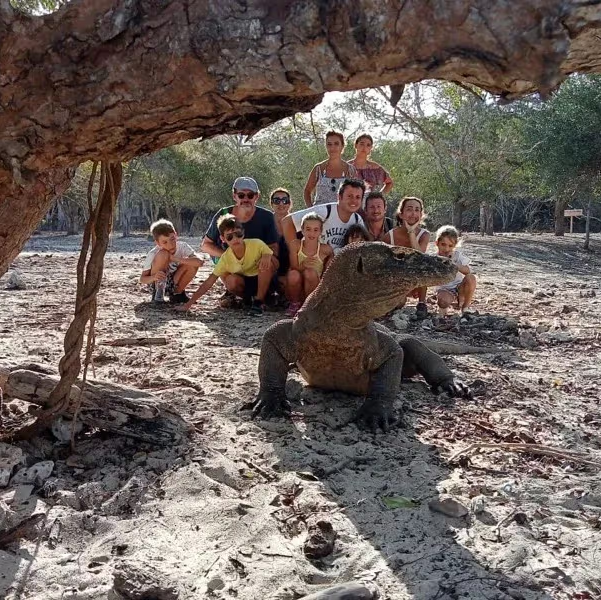
Spend more time tracking Komodo dragons and exploring the lush secondary islands at a relaxed daily pace.
Extended Island Hopping
Experience extra nights under the stars in remote bays, offering a deeper connection with the ocean life.
Which Route Suits You Best?
Whether you want efficiency or deep exploration, choose the itinerary that best fits your travel style.
Voyage Schedule
Explore our detailed itinerary for your upcoming island sailing adventure.
Day 1 Highlights
11:00 AM departure; sail to Kelor Island for a sunset hike; overnight near Sabolon.
Day 2 Highlights
Sail to Rinca Island; trek to spot dragons; sunset hike at Padar Bay for vistas.
Day 3 Highlights
Extended Pink Beach snorkel; Taka Makassar tide scout; Manta Point reef visit.
Day 4 Highlights
Optional sunrise hike; Kanawa Island final snorkel session; arrive Labuan Bajo 5 PM.
Expedition Overview
Experience a comprehensive four-day journey across the most iconic island sites.
Booking Information
Contact our team to secure your cabin for these exclusive upcoming tour dates.
Cost Breakdown: Where Your Money Goes
When comparing komodo 3 days vs 4 days, the price delta isn't just one extra night—it's a different tier of experience.
3D2N Pricing Structure (Per Person)
The critical difference: 4D3N gives you redundancy. If Manta Point blows out on day three, you have day four as a backup.
Phinisi Boat Pricing
Explore our tiered Phinisi boat options designed to match your travel style and budget for your upcoming expedition.
Budget Phinisi
Great for budget travelers. Essential comfort, basic snorkeling gear, and hearty daily meals included.
Book Now- Meals and water included
- Shared cabin stays
- Basic snorkeling gear
- Shared bathroom facilities
Mid-Range Phinisi
Balanced comfort for adventurers. Includes towel service, daily coffee/tea, and professional local guides.
Book Now- All meals and beverages
- Daily towel service
- Expert trip guide included
- Shared or semi-private cabin
Luxury Phinisi
Ultimate comfort and service. Private chefs, dedicated dive guides, and curated premium wine selections.
Book Now- Dedicated private chef
- Professional dive guides
- Premium wine and spirits
- Spacious private cabin
The hidden cost of 3D2N: compressed schedules mean more fuel burn per day (longer sailing legs), and crews work harder. Some budget operators cut corners on food quality or maintenance to hit 3D2N price points. We've inspected boats where the "savings" meant expired fire extinguishers and rice-only meals. Always verify Komodo National Park fees are included—IDR 3.75 million (≈$235) per foreign visitor for a multi-day pass, often omitted from advertised prices.
Where 4D3N saves money: Better per-day value, more inclusive activities, and lower stress. The extra day spreads fixed costs (crew wages, fuel for departure/arrival) across more hours.
Fatigue Factor: The Real Physical Toll
This is where our operational experience matters most. We've seen guests on 3D2N trips who are genuinely wrecked by day three.
3D2N Fatigue Profile
- Day one: Adrenaline carries you. Sunset at Padar feels magical. You sleep hard.
- Day two: 5:30 AM wake-up for sunrise. The Padar hike is 800+ steps. By the Komodo trek at 10 AM, legs are heavy. Afternoon snorkeling at Pink Beach is beautiful but you're fighting to stay present.
- Day three: Manta Point requires dawn readiness. If currents run strong, the drift snorkel is exhilarating but exhausting. By brunch, most guests are silent, staring at the horizon, dreaming of a bed that doesn't rock.
Insider tip: If you choose 3D2N, book the latest possible flight out of Labuan Bajo (LBJ airport code). Never schedule a same-day connection to Bali before 4 PM. We've had guests miss flights because morning currents delayed our return.
4D3N Fatigue Profile
- Day one: Relaxed departure. Kelor's hike is 15 minutes—an appetizer, not a main course. You acclimate to boat life.
- Day two: Rinca's flatter terrain (vs. Komodo's hills) is kinder. Padar at sunset with full energy.
- Day three: Komodo trek with fresh legs. Extended Pink Beach time—you actually remember the coral formations.
- Day four: Manta Point with flexibility. Kanawa's protected bay for a gentle final swim.
The 4D3N rhythm follows how human bodies actually work. We've had seventy-year-old guests complete 4D3N enthusiastically while thirty-year-olds on 3D2N needed help down Padar's steps.
Who Should Choose Which Itinerary?
Choose Komodo 3D2N If:
You're a first-timer with tight constraints. Maybe your Indonesia itinerary only has a five-day window between Bali and Raja Ampat. 3D2N delivers the iconic shots: Padar's tri-color bays, dragon encounters, pink sand between your toes.
You're a photographer chasing specific light. The compressed schedule actually helps if you know exactly what you need. One sunrise, one sunset, one manta sequence—then you're gone before weather patterns shift. We've hosted National Geographic contributors who specifically requested 3D2N to minimize variables.
You're pairing with another destination. Many guests combine Komodo with Bali or Komodo with Lombok. 3D2N keeps the total trip manageable.
Budget is your primary constraint. The $200–$400 savings versus 4D3N might fund three extra nights in Ubud or a diving certification.
Choose Komodo 4D3N If:
You're a diver or serious snorkeler. The extra day means two Manta Point windows, plus time at Batu Bolong or Castle Rock if your boat supports dive tenders. Surface intervals happen naturally rather than being crammed.
You're traveling with children. Kids need downtime. The 4D3N schedule builds in beach play, tide pool exploration, and naps that don't cost you a major site. We've had families where the highlight wasn't Padar—it was an hour watching flying fish from the deck at sunset.
You're a returning visitor. Your first trip was 3D2N, rushed, Instagram-focused. Now you want to feel the place. Rinca's different dragon behavior (more active at midday than Komodo's), Kanawa's local village, the sound of anchor chains in a bay with no other boats.
You value flexibility. Weather in the Flores Sea changes fast. July–August trade winds can make northern sites unreachable. 4D3N lets captains adjust routes without panic.
Seasonal Considerations: When Length Matters More
The best Komodo itinerary length shifts with the calendar.
Peak Season (July–August)
- 3D2N challenge: Every boat is out. Anchorages crowd. You might wait 45 minutes for Padar's summit. The rushed pace feels worse when you're queueing.
- 4D3N advantage: Early arrival at Padar (day two of four, not day one of three) beats the day-tripper rush. More nights mean more chances for clear Manta Point conditions.
- Pricing: Expect +20–25% on 4D3N luxury boats. Book 10–12 weeks ahead.
Shoulder Season (April–June, September–October)
- 3D2N sweet spot: Good weather, fewer boats, lower prices. The compressed schedule works because you're not fighting crowds.
- 4D3N value: Shoulder season rates often match peak-season 3D2N prices. This is when we recommend upgrading length.
- Insider note: April's transitioning currents can make Manta Point unpredictable. 4D3N's redundancy pays off.
Wet Season (November–March)
- 3D2N risk: Shortened trips have no buffer for weather delays. We've had 3D2N charters lose a full day to squalls, effectively becoming 2D1N.
- 4D3N reality: Many operators reduce schedules or pause entirely. If you're traveling November–March, confirm your boat has full insurance for weather cancellations and consider land-based Komodo tours as backup.
The Diver's Perspective: Why 4D3N Wins Underwater
If you're choosing between komodo 3d2n vs 4d3n and you hold a PADI card, the math changes.
Komodo's dive sites demand respect. Batu Bolong has ripping currents and pelagic action but requires precise tide timing. Castle Rock is a seamount where grey reef sharks patrol at 25 meters. Manta Point—the snorkel site—has a lesser-known dive profile at 18–22 meters where mantas clean at specific current combinations.
On 3D2N, dive boats (as opposed to snorkel-focused Phinisies) might fit two dives daily. That's four dives total, with surface intervals rushed and no room for "let's try again tomorrow" if visibility drops.
On 4D3N, you get 6–8 dives with proper profiles. More critically, you get dawn dive windows. The 6:30 AM plunge at Crystal Rock, when the sun cuts through 30-meter visibility and pygmy seahorses cling to sea fans—that requires a schedule with breathing room.
Our Komodo diving itineraries default to 4D3N minimum for certified divers. The only exception: specialized 3D2N macro photography charters that focus exclusively on Siaba Besar and Pengah Reef.
Family Suitability: Ages and Stages
We've hosted families from toddler-toting Germans to multi-generational Indonesian clans. Here's what works:
Toddlers (Under 5)
Neither is ideal, but 4D3N if you must. Boat life with toddlers means constant vigilance around railings, sun exposure, and nap schedules. The 4D3N pace lets you tag-team parenting—one adult does Padar sunrise while the other sleeps in with the child. Kanawa's shallow, protected beach is toddler-friendly; 3D2N often skips it.
Our recommendation: Consider private Komodo charters with a nanny or bringing grandparents. Shared boats stress everyone.
School-Age Children (5–12)
4D3N strongly preferred. This age group needs physical activity + unstructured time. The 3D2N schedule is too directed—they're herded from hike to snorkel to hike without processing anything. On 4D3N, our guides often organize beach scavenger hunts at Kanawa, teach basic Bahasa Indonesia, or demonstrate traditional Phinisi knot-tying. These "soft" moments become trip highlights.
Teenagers (13–17)
3D2N works if they're physically fit and phone-addicted. The intensity matches their energy, and the compressed timeline limits complaints about "no WiFi." (Though most mid-range and luxury Phinisies now have Starlink—ask when booking.)
4D3N if they're interested in marine biology or photography. The extended time lets them develop projects: a fish ID slideshow, a drone video sequence, a journal.
Multi-Generational Groups
4D3N, always. The 70-year-old grandmother and 25-year-old athlete have different capacities. 4D3N lets subgroups split—grandparents do Kanawa's gentle beach walk while grandchildren tackle Padar's summit.
Photographer's Guide: Maximizing Each Itinerary
3D2N Photography Strategy
With limited time, pre-visualization is essential. Know your shots:
- Padar sunrise: Arrive at the summit 45 minutes before official sunrise. The pre-dawn blue hour, with boat lights in the bays below, outperforms the actual sunrise. Bring a headlamp with red light mode—white light destroys others' night vision.
- Komodo dragons: The medium trek (1.5 hours) offers better dragon encounters than the short trek. Rangers know where females nest; tip respectfully for guidance.
- Pink Beach: Midday, when the sun is high, the sand's color saturates. Morning and evening read as "peach" rather than "pink."
- Manta Point: Underwater housing essential. Mantas approach at 3–5 meter depth; surface snorkeling limits composition options.
4D3N Photography Strategy
Time to wait for conditions. Our guides know when cloud formations will break at Padar, when Manta Point's plankton bloom brings multiple rays, when Kelor's west face glows at sunset.
Added locations:
- Rinca: Different topography—drier, more golden light. Dragons here are often more active, yielding behavioral shots (walking, drinking) rather than static portraits.
- Sebayur (on extended 4D3N routes): Coral gardens at 5-meter depth, perfect for split-level over-under shots.
- Night sky: Extra nights mean dark-sky photography. The Milky Way core is visible April–October; 4D3N puts you far from Labuan Bajo's light pollution.
Booking Strategy: When to Reserve What
Our reservation data from 2024–2025 shows clear patterns:
Booking Guidelines
Understand the ideal booking lead times for your next adventure.
Budget Shared Trips
These cost-effective itineraries require booking 3 weeks ahead for shoulder seasons.
Mid-Range Private Trips
Enjoy more exclusivity by securing your mid-range 3D2N private route 6 weeks early.
Mid-Range Shared Trips
Planning a 4D3N experience? Ensure you book 8 weeks in advance for best availability.
Luxury Private Trips
For the ultimate 4D3N luxury getaway, we recommend booking at least 12 weeks out.
Booking Flexibility
Shared trips offer high flexibility, whereas custom private routes require more lead time.
Important Notice
Availability is subject to change. Please confirm your itinerary dates before finalizing booking.
Pro tip for 2026: Indonesia's tourism ministry is capping daily Komodo National Park entries. This affects 3D2N more severely—there's no "make up" day if permits sell out. 4D3N