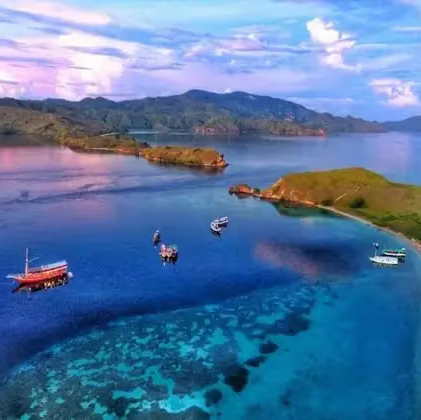
Destination Guide
Batu Bolong Dive Site: Complete Guide for Divers & Snorkelers
Dive Logistics
Essential trip details and site information.
Site Details
Located at the north-west coast of Komodo Island, West Manggarai Regency, East Nusa Tenggara.
View Map- Coordinates: 8°31'12"S 119°29'45"E
- Depth: 5m – 30m (16ft – 98ft)
- Visibility: 15–30m (50–100ft)
- Season: April – October
Trip Guide
Reaching the site from Labuan Bajo via Phinisi charter, approximately 2 hours by boat.
Book Now- Marine life: Clams, batfish, sharks
- Gear: 7mm wetsuit, reef-safe sunscreen
- Access: Snorkeling bay & dive platform
- Tip: Early-morning drift for manta rays
- Professional guides on standby.
Why Batu Bolong Is a Must‑Dive in Komodo
When you step onto the deck of a sleek Phinisi, the first thing you’ll notice is the salty tang of the Flores Sea mingling with the faint perfume of mangrove sap. The water around Batu Bolong shimmers with a turquoise clarity that feels almost surreal, especially during the dry season when the wind is a whisper. The site’s name— Batu Bolong—means “hole stone,” a reference to the natural arch that frames the dive entry, creating a tunnel of light that guides you into a world of coral gardens and drifting schools.
The dive offers a rare combination of macro wonder and big‑fish drama. On a typical day, you’ll glide past towering finger corals, pause over a carpet of Acropora and Porites, and then watch a reef shark silhouette glide past the surface. For snorkelers, the shallow bay on the leeward side of the arch provides a calm lagoon where the water is as smooth as glass, perfect for spotting flamboyant cuttlefish and the occasional turtle grazing on sea grass.
Getting There: From Labuan Bajo to Batu Bolong
The Phinisi Experience
A Phinisi charter is the most authentic way to reach Batu Bolong. These traditional Indonesian sailing vessels combine teak wood elegance with modern safety standards. When you book through Komodo Explorer, the crew will meet you at your hotel in Labuan Bajo, load your gear, and set sail before sunrise. The early‑morning departure is not just a logistical convenience; it positions you in the water just as the sun’s golden rays begin to pierce the surface, enhancing both visibility and the photogenic quality of the dive.
Insider tip: Ask the captain for a “mid‑morning drift” on the day you plan to dive. The current around Batu Bolong shifts with the tide, and a gentle drift can bring you alongside feeding mantas or a passing school of Scomberomorus (Spanish mackerel) without expending precious air.
Tide and Weather Considerations
- Tide: The best visibility occurs during a slack‑tide window, typically 1–2 hours after high tide. This also reduces the strength of the current that can sweep divers past the dive platform.
- Wind: The dry season (April‑October) brings steady easterlies. Aim for days with a Beaufort scale of 2–3 (light breeze) to keep the surface calm for snorkeling.
- Moon phase: A waning crescent moon often coincides with clearer night skies, which can be useful if you’re planning a night dive on the adjacent site of Manta Point.
Batu Bolong Komodo Diving: What to Expect Underwater
Depth Profile and Topography
The dive begins at the arch’s entrance (≈5 m) and quickly drops to a sloping wall that reaches 30 m. The wall is covered in a mosaic of Montipora and Favia that creates a vibrant backdrop for macro life. Along the mid‑depth (12–18 m) you’ll find a “hole” – a natural cavern where light filters through a narrow opening, creating a spotlight effect that attracts curious fish.
Signature Species
Marine Life Guide
Discover the incredible species residing at various depths in our local coral reefs.
Hippocampus (Seahorses)
Often found clinging to seagrass in the shallow bay at depths of 5-8 meters.
Manta birostris (Giant Manta)
Frequently seen during early-morning drift on the reef wall at 10-15 meters.
Carcharhinus melanopterus
Patrolling the reef crest at 15-20 meters, a true sign of a healthy ecosystem.
Tridacna gigas (Giant Clam)
Massive, colorful, and a favorite macro photographer subject at 20-30 meters.
Lutjanus spp. (Snapper Schools)
Often form large bait balls that attract predators at depths of 25-30 meters.
Why Biodiversity Matters
Protecting these habitats ensures the survival of species for future generations to explore.
Batu Bolong Snorkeling: A Gentle Introduction
The most thrilling moment is often the sudden appearance of a Manta birostris gliding gracefully over the reef. The manta’s wingspan can exceed 7m, and the gentle swoop of its fins creates a low-frequency hum that you can feel through your tank.
Macro Highlights
If you love macro photography, the wall’s overhangs are littered with Hippocampus spp. and elusive flatworms, offering a rewarding snap for patient divers.
Not every visitor on the Phinisi is a diver, and the shallow bay on the leeward side of the arch is a designated snorkeling zone. The water here is typically 3–5 m deep, with a sandy bottom dotted with Porites and Acropora colonies. Early morning light creates a kaleidoscope of colors that makes even the smallest fish look like jewels.
What to look for while snorkeling:
- Turtle grazers – Chelonia mydas (green turtle) often visit the bay to feed on seagrass.
- Cuttlefish – The flamboyant cuttlefish ( Sepia spp.) performs a dazzling display of color changes when approached.
- Butterfly fish – Species such as Chaetodon auriga (ribboned butterfly) flutter close to the coral, offering a perfect photo op.
Safety tip: Wear a reef‑safe sunscreen (e.g., zinc‑oxide based) and a snorkel vest if you’re not a strong swimmer. The current can pick up quickly after the tide turns, so keep an eye on the shoreline.
Planning Your Dive Day: A Step‑by‑Step How‑To
How to organize a Batu Bolong dive day from Labuan Bajo
- Choose your charter date – Aim for the dry season, preferably a week with a waning crescent moon for optimal night visibility.
- Contact a reputable operator – Ask for “early‑morning drift” and confirm the boat’s capacity (max 12 divers).
- Prepare gear – Pack a 7 mm wetsuit, 2‑litre tank, dive computer, and a reef‑safe sunscreen. Include a spare mask and a small underwater camera.
- Arrange transportation to the pier – Most hotels in Labuan Bajo offer a shuttle service; confirm the pickup time at least 24 hours in advance.
- Brief with the crew – On board, discuss the dive plan, depth limits, and any medical concerns. Ask the captain about the tide schedule and the best drift window.
- Dive! – Follow the guide’s lead, respect the marine life, and keep your buoyancy neutral.
- Snorkel after the dive – Use the calm bay for a relaxed snorkel; it’s an excellent way to unwind after the depth excursion.
- Debrief and log – Record depth, time, and sightings in your dive log; this helps you track progress and share experiences with fellow divers.
Following these steps ensures a smooth, safe, and unforgettable experience at Batu Bolong.
FAQ – Frequently Asked Questions
What marine life can I expect at Batu Bolong?
Batu Bolong boasts a diverse assemblage of reef and pelagic species. Expect to see reef sharks, giant clams, batfish, cuttlefish, seahorses, turtles, and, during the right season, manta rays. The site’s mixed habitat—wall, reef, and shallow bay—supports both macro and larger pelagic fauna.
Is Batu Bolong suitable for beginner divers?
While the site offers shallow entry points (5 m) and calm waters in the snorkeling bay, the wall can experience moderate currents at depth. Beginners should dive with a certified guide, use a reef‑safe float, and stay within the 10–15 m range. The Phinisi crew can tailor the dive to match skill levels.
How do I get the best visibility at Batu Bolong?
Visibility peaks during slack tide and on days with a light easterly breeze. Early‑morning dives (6:30–8:00 am) often have the clearest water because there is less wind‑driven surface agitation. Avoid rainy days and the rainy season (November–March) when runoff can reduce clarity.
What equipment is recommended for Batu Bolong snorkeling?
A mask with a wide field of view, a snorkel with a purge valve, fins, and a reef‑safe sunscreen are essential. A lightweight snorkel vest adds buoyancy for less‑experienced swimmers. For macro photographers, a small underwater housing for a mirrorless camera can capture the vibrant corals and tiny critters.
Can I combine a night dive with Batu Bolong?
Yes. Many operators pair a daytime dive at Batu Bolong with a night dive at the nearby Manta Point or Sebuku. Night dives reveal nocturnal species such as Lemonpeel fish, Euphyllia (frogspawn coral), and bioluminescent plankton that light up the water like a star‑filled sky.
Insider Tips from a Seasoned Komodo Dive Guide
- Ask for the “hole” dive – The natural arch creates a spectacular light tunnel that photographers love. It’s often omitted from generic itineraries but is a highlight for those who ask.
- Bring a spare regulator – The remote location means a quick gear swap isn’t always possible. A backup regulator can save a dive if the primary fails.
- Check the tide chart – The best drift dives happen when the tide changes from low to high (flood). The current will push you along the wall, allowing you to see more of the site with less effort.
- Stay hydrated – The tropical heat can be deceiving; drink water before and after the dive to avoid dehydration, especially if you’re doing multiple dives.
- Support local conservation – Participate in reef clean‑up initiatives offered by some operators. Your contribution helps preserve the vibrant ecosystems that make Batu Bolong special.
The Bigger Picture: Batu Bolong Within Komodo National Park
Batu Bolong is part of the UNESCO World Heritage‑listed Komodo National Park, a marine sanctuary that protects over 1,000 km² of coral reefs, mangroves, and seagrass beds. The park’s management works closely with local dive operators to enforce sustainable practices, such as limiting the number of daily dives and prohibiting the collection of live corals. By choosing a reputable charter, you are directly supporting these conservation efforts.
For a broader adventure, consider pairing your Batu Bolong dive with a visit to Rinca Island to see the famed Komodo dragons, or a day trip to Padar Island for panoramic cliff‑top views. Both destinations are reachable from Labuan Bajo and can be arranged through the same Phinisi charter, creating a seamless island‑hopping itinerary.
How to Book Your Batu Bolong Dive Experience
Ready to feel the rush of swimming alongside manta rays or to explore the hidden coral alcoves of Batu Bolong? Booking with Komodo Explorer guarantees a knowledgeable captain, a certified dive guide, and a well‑maintained Phinisi vessel. Simply select the “Batu Bolong Dive & Snorkel” package on our website, choose your preferred date, and let us handle the logistics—from airport pickup in Labuan Bajo to post‑dive refreshments on board.
Reserve your spot today and unlock the underwater wonders of Batu Bolong. Click here to start your adventure, or explore our other offerings like a Komodo Island wildlife tour or a luxury sunset cruise. Your Phinisi charter awaits—set sail for the dive of a lifetime.