Destination Guide
Best Time for Lombok to Komodo Combo Tour – When to Go
Travel Guide Insights
Essential information regarding your Lombok to Komodo boat trip planning.
The ideal window is from late April to early October, benefiting from the stable southeast monsoon. We suggest choosing May, June, September, or October for the perfect balance of weather and crowd levels.
You can reach our customer support team by emailing info@yourcompany.example.com, calling +1 555-555-5556, or using the live chat on our website. Our dedicated team is available 24/7 to assist with any inquiries or issues.
We’re committed to providing prompt and effective solutions to ensure your satisfaction.
We offer a 30-day return policy for all products. Items must be in their original condition, unused, and include the receipt or proof of purchase. Refunds are processed within 5-7 business days of receiving the returned item.
Diving Expedition Facts
Discover essential details for planning your next underwater adventure in Indonesia.
When is the prime time?
The best months are April through October, peaking during May-June and September-October.
What are the water conditions?
Expect calm to moderate sea states with average swells under one meter and warm temperatures.
What wildlife will we spot?
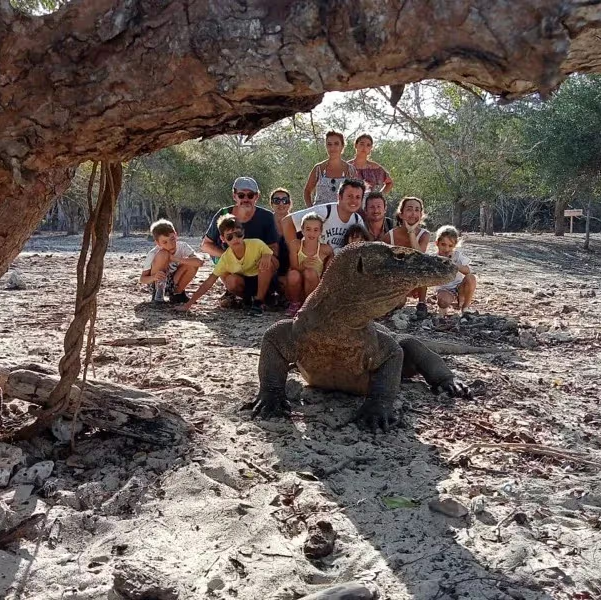
Encounter majestic manta rays, reef sharks, and the legendary Komodo dragons on land.
Top recommended dive sites?
Explore Gili Trawangan, Sekotong, and the iconic reefs at Batu Bolong and Castle Rock.
Which charter is ideal?
We recommend professional Phinisi yachts with experienced crews, such as KomodoExplorer.
Visibility and rainfall stats?
Enjoy clear visibility of 15-30m and generally light rainfall throughout the primary season.
Why Timing Matters for a Dual‑Destination Adventure
The archipelago’s climate is split by two dominant wind systems. From November to March the northwest monsoon brings stronger winds, larger swells, and intermittent rain—conditions that can turn a smooth passage between Lombok and Komodo into a choppy, time‑consuming ordeal.
From April to October the southeast monsoon settles the seas, delivering the kind of glass‑like water that makes both surface cruising and underwater exploration a pleasure.
Beyond the weather, the biological calendar of the region is tightly linked to the same seasonal swing. Timing your trip correctly maximises the chance of unforgettable encounters.
Weather Conditions
Review our climate report to plan your trip effectively, considering seasonal variations in temperature and wind.
Early Season
Spring months feature moderate rainfall and very calm sea states, ideal for coastal activities and sailing.
See April Data- Avg Temp 28°C
- Rainfall 70-120mm
- Wind Direction SE
- Calm Sea State
Mid Season
Summer months bring stable temperatures and consistent winds from the southeast, perfect for travel.
See July Data- Avg Temp 27°C
- Rainfall 55-60mm
- Wind Direction SE
- Moderate Sea State
Off Season
The winter period experiences heavy rainfall and rough seas with northwesterly winds. Caution advised.
View Full Report- Avg Temp 29-30°C
- Rainfall 200-350mm
- Wind Direction NW
- Rough Sea State
Dive Conditions by Season
Lombok enjoys a more pronounced wet season, but even the rainy months retain plenty of sunshine. Komodo sits in the rain shadow of the Lesser Sunda Islands, making its dry season exceptionally arid.
1. April-June (Pre-Peak)
Source: Indonesian Meteorological Agency (BMKG)
- Visibility: 20‑30 m on clear days; early mornings often see a soft, turquoise glow that makes the reef look like a living painting.
- Water temperature: 27‑28 °C; a thin layer of warm surface water sits above cooler currents at depth, creating gentle thermoclines.
- Marine life: Juvenile manta rays start to appear at Manta Point (Lombok), while Batu Bolong (Komodo) begins to host schools of fusiliers and occasional reef sharks.
- Tip: Depart Lombok early (around 07:00) to catch the sunrise over the Gili Islands; the scent of salt‑kissed air and the distant call of the Javanese kingfisher set a serene tone for the day.
2. July‑August (Peak)
- Visibility: 25‑30 m; the water is crystal clear, making deep walls at Castle Rock (18 m) a photographer’s dream.
- Water temperature: 26‑27 °C; a slight cooling makes the dive more comfortable for longer bottom times.
- Marine life: Adult manta rays dominate Manta Point; Mola mola (sunfish) have been sighted off Batu Bolong at depths of 40‑50 m.
- Tip: Book a night dive on Komodo’s Pink Beach; the phosphorescent plankton glows like fireflies under a moonlit sky.
3. September‑October (Post‑Peak)
- Visibility: 15‑25 m; occasional brief showers can lower clarity, but the seas remain generally smooth.
- Water temperature: 28‑29 °C; warm enough for comfortable swims without thick wetsuits.
- Marine life: The reef fish diversity peaks; Seychelles reef at Gili Meno sees an influx of parrotfish and triggerfish.
- Tip: Use the quieter post‑peak period to explore Rinca Island on foot; fewer tourists mean better chances of spotting Komodo dragons at sunrise.
Practical Insider Tips for a Seamless Combo Tour
- Ask your charter operator: “What is your typical sailing speed between Lombok and Komodo in the southeast monsoon?” A good Phinisi should average 6‑7 knots, translating to a 12‑hour crossing without fatigue.
- Tide considerations: The best window for entering Batu Bolong is during a neap tide (low to mid‑range), which reduces current at the entrance and keeps the reef’s delicate corals protected.
- Fuel planning: Even with calm seas, a full‑day sail can consume up to 200 L of diesel; confirm fuel reserves before departure.
- Health prep: Pack a high‑SPF reef‑safe sunscreen (minimum SPF 50) and a water‑proof insect repellent for the night trek on Komodo Island where sandflies can be aggressive.
- Cultural etiquette: When visiting Sasak villages on Lombok, greet elders with a slight bow and avoid pointing your feet at sacred objects; the locals appreciate respectful curiosity.
- Gear check: Bring a dry‑bag for your camera equipment; the humidity on the open sea can fog lenses within minutes.
How to Plan Your Lombok‑Komodo Combined Trip
- Choose your travel window – Target the April‑October window, prioritising May‑June or September‑October for the best blend of weather and wildlife.
- Select a reputable charter – Look for Phinisi yachts with experienced captains familiar with both Lombok’s currents and Komodo’s protected zones. KomodoExplorer offers a fleet vetted for safety and comfort.
-
Map your itinerary – A typical 10‑day route:
- Day 1‑3: Lombok (Gili Islands, Sekotong dive sites)
- Day 4: Sail to Komodo National Park (overnight at a live‑aboard)
- Day 5‑7: Komodo Island, Rinca Island, Padar Island
- Day 8‑9: Dive Batu Bolong and Castle Rock
- Day 10: Return to Lombok or onward to Bali
- Secure permits – The Komodo National Park requires a marine park permit and a land entry permit for trekking. Arrange these through your charter or a local agency at least 2 weeks in advance.
- Pack smart – Include reef‑safe sunscreen, a lightweight rain jacket (even in the dry season, sudden showers are possible), and a quick‑dry towel.
- Book accommodations – While the Phinisi provides onboard sleeping, you may want a night on Gili Trawangan for a change of scenery; reserve early as rooms fill quickly during the peak months.
- Confirm dive logistics – Verify that the dive operator has a PADI 5‑Star rating and that they conduct pre‑dive briefings in both English and Bahasa Indonesia.
- Finalize insurance – Ensure your travel insurance covers scuba diving and wildlife encounters, especially if you plan to snorkel near Komodo dragons.
Frequently Asked Questions
What is the best time for a Lombok‑Komodo combined trip?
The optimal window is late April to early October, with May‑June and September‑October offering the most balanced conditions—clear water, calm seas, and abundant marine life.
How do the monsoon winds affect sailing between Lombok and Komodo?
The southeast monsoon (April‑October) brings gentle breezes that keep the sea surface smooth, while the northwest monsoon (November‑March) can generate swells over 2 m, making the crossing longer and more fuel‑intensive.
Are there any marine protected areas I should be aware of?
Yes. Both Gili Trawangan and Komodo National Park are designated marine protected areas. Diving is allowed only with a licensed operator, and certain sites have depth limits to protect coral spawning grounds.
Can I see Komodo dragons during the high‑tourist season?
Komodo dragons are most active during the cooler early morning hours. Visiting in the shoulder months (May‑June, September‑October) reduces crowds, increasing the likelihood of an uninterrupted wildlife encounter.
What is the typical sea state during the best months?
During the southeast monsoon, the sea state is usually calm to moderate, with average swell heights under 1 m. This makes both sailing and diving comfortable for most skill levels.
Do I need a special visa to travel between Lombok and Komodo?
Indonesia offers a Visa on Arrival (VoA) for many nationalities, valid for 30 days and extendable once. No additional visa is required for inter‑island travel, but ensure your passport has at least six months validity.
How much daylight do I have for diving each day?
Seasonal Wildlife Highlights
Between April and October, daylight ranges from 11 to 13 hours. Most charter itineraries schedule dives in the early morning to maximize visibility.
Are there any cultural festivals I should align my trip with? The Lombok Festival in June showcases Sasak arts, music, and traditional weaving.
Aligning your visit with this event adds a vibrant cultural layer to your adventure and deepens your overall experience of the region.
Season
Lombok Highlights
Komodo Highlights
First sightings of Mola mola at Batu Bolong, early-season dragon activity on Rinca
April-June
Juvenile manta rays at Manta Point, spawning of Giant Clam at Gili Meno
July-August
Peak reef fish diversity, turtle nesting on Gili Trawangan
September-October
Adult manta rays, reef sharks at Castle Rock, vibrant coral at Pink Beach
Marine Life Patterns
Sardine run near Sekotong, butterflyfish migrations, Komodo dragon courtship
Lombok Diving Itinerary
Discover our curated 10-day expedition through the best dive sites and cultural landscapes of Lombok and Komodo.
Days 1-3
Arrive in Lombok, transfer to Gili Trawangan for snorkeling and sunset beach dining.
View Details- Check-in at Trawangan Reef
- Dive Manta Point (15m)
- Night bioluminescence snorkel
- Sail to Sekotong dive site
Days 4-7
Sail to Komodo for Mola mola spotting, dragon treks, and vibrant pink beach snorkeling.
View Details- Anchor at Batu Bolong
- Trek on Komodo Island
- Padar Island hiking
- Castle Rock diving
Days 8-10
Explore traditional Sasak villages, savor local cuisine, and enjoy a final shallow dive.
View Details- Stop at Gili Meno
- Sasak village tour
- Gili Air coral garden
- Airport transfer provided
All dive sites listed include depth ranges and typical marine life sightings. Adjustments may be made based on daily weather and sea conditions.
Insider’s Sensory Snapshot
Imagine stepping onto the deck at dawn: the air carries a faint scent of frangipani mixed with the salty tang of the Flores Sea. The gentle hum of the engine fades as the boat glides over a mirror‑smooth surface, reflecting the pastel sky. Below, the water shimmers like liquid sapphire, and a distant dolphin pod arcs gracefully, their clicks echoing like a hidden choir. As you descend into the reef, a soft, filtered light paints the corals in amber, while the occasional snarl of a reef shark passes overhead, a reminder of the wildness that thrives here.
Booking Your Dream Combo Tour
Ready to experience the perfect blend of Lombok’s laid‑back island vibe and Komodo’s rugged wilderness? KomodoExplorer offers expertly curated Phinisi charters, complete with seasoned captains, dive professionals, and on‑board naturalists. Click the link below to explore itineraries, request a custom quote, and lock in the best time for your Lombok‑Komodo combo adventure.
Book Your Lombok‑Komodo Combo Tour Now
Embark on a journey where turquoise waters, ancient dragons, and unforgettable sunsets converge—exactly when nature is at its most generous.